It’s essential to pay attention to your body’s signals and make adjustments accordingly. Prioritize your skin’s health by avoiding triggering ingredients and following a skincare routine that suits your needs. If you’re allergic to a specific grain, beer won’t be your only problem. You’ll also experience symptoms when you eat other food products containing that allergen. If the rash is severe or persists for more than a few days, it’s important to see a doctor.

Alcohol allergies quiz
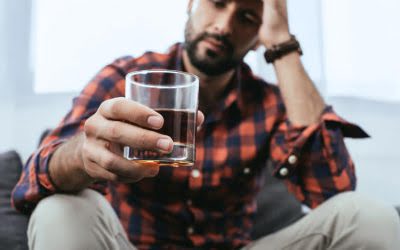
Keep an eye out for these possible culprits to reduce the risk of unwanted symptoms. Alcohol intolerance symptoms differ from true allergic reactions and are often confused with a whiskey allergy. The most distinctive sign is facial flushing, where your face turns red shortly after drinking. This occurs because your body lacks the enzymes needed to properly metabolize alcohol. You should seek medical attention if you suspect you have an alcohol allergy rash. If the rash is accompanied by breathing difficulties, severe itching, swelling, or other severe reactions, contact a healthcare professional immediately.
Diagnosis of alcohol intolerance
Alcohol intolerance is an immediate alcohol allergy symptoms unpleasant reaction to consuming alcohol. It typically occurs because of a genetic difference that makes the body unable to break down alcohol efficiently. If you are experiencing a rash after consuming alcohol, it’s important to speak with your healthcare provider to determine the underlying cause and appropriate treatment options.
Avoiding Triggering Ingredients
Even if you’re not genetically prone, drinking too much alcohol too quickly can still trigger uncomfortable symptoms like flushing or a skin rash. In conclusion, alcohol can cause rashes in some people, particularly those who have a history of dry skin, allergies, or hives. If you experience a rash after drinking alcohol, try to stay hydrated and consider switching to a different type of alcohol. If you suspect that your skin rash may be caused by an underlying medical condition rather than just from drinking alcohol, it’s important to seek medical attention as soon as possible.
- It’s essential to pay attention to your body’s signals and make adjustments accordingly.
- These tests can identify sensitivities to specific compounds like sulfites or gluten.
- The metabolism of bilirubin is impaired in acute and chronic liver disease.
- In some cases, they may recommend an allergy test to confirm the diagnosis.

One such reaction is the “Alcohol Flush Reaction,” often referred to as the “Asian flush,” due to its prevalence among East Asians. On the other hand, rosacea, a condition that causes redness and visible blood vessels in the face, can also be exacerbated https://ecosoberhouse.com/ by alcohol. Alcohol dilates the blood vessels, leading to increased facial redness and inflammation, which can exacerbate rosacea symptoms.
- If you suspect an alcohol allergy, consult with a healthcare professional for proper diagnosis and guidance.
- Flushing and overheating after drinking alcohol may also indicate cholinergic urticaria.
- Avoiding alcohol will allow you to live an active, enjoyable life without unpleasant symptoms.
- Occasionally, a doctor may ask a person to consume alcohol in a medical setting and observe any reactions or symptoms.
- Antihistamines won’t effectively prevent most alcohol-related reactions because they’re typically caused by enzyme deficiencies (alcohol intolerance) rather than true allergies.
- You may need a test that uses a needle to inject a small amount of allergen extract just into the skin on your arm (intradermal test).
Alcohol allergy rashes often stem from specific ingredients rather than alcohol itself. Histamines, sulfites, gluten, or certain grains like barley or wheat are common culprits. For instance, red wine is high in histamines, which can trigger Drug rehabilitation reactions in sensitive individuals. Similarly, sulfites, used as preservatives in many wines and beers, are known allergens. Identifying these specific triggers is the first step in managing your symptoms effectively.
- Medical professionals may recommend an appointment with an allergist or immunologist who specializes in diagnosing and treating allergies.
- Heavy drinking may lead to or exacerbate existing skin issues, prompting questions about the relationship between alcohol use and skin reactions.
- In many cases, your allergist will be able to offer advice and treatment.
- Yes, you can be allergic to alcohol or to ingredients in vodka, though a true allergy to alcohol itself is rare.
Weigh the potential benefits against the potential risks before taking this medication while breastfeeding. Wherever you are on your journey, Birch Tree Recovery can work alongside you to create a healthier life, establish self-connection, and instill effective coping mechanisms. No matter what, we’ll always see you as a human who deserves incredible care. Our Find a Provider tool makes it easy to search Cleveland Clinic’s trusted network. Ask your doctor for more information about your diagnosis and treatment options.
Access videos and webinars delivered by key experts in the field of allergy. Learn what factors affect outcomes and which treatment option fits your recovery needs. Yes, it’s possible to react to alcohol even if you never had a problem before. People should note, however, that its authors do not propose that this means that alcohol causes allergies.
